

Before the first bell: how school projects get done over the summer
School work happens in a narrow window while classrooms sit empty. Here is how PAC plans summer projects so schools open on time in September.
Every September, students walk back into schools that look the way they left them in June, or better. What they never see is the work packed into the weeks in between. For school boards, summer is the one stretch of the year when major construction can happen without interrupting learning, and the first day of school does not move.
The summer window is shorter than it looks
On paper, summer break runs about ten weeks. In practice, the construction window is tighter. Classes wrap up in late June, custodial teams need time for their own deep clean, and staff return in late August to set up classrooms. What is left is often closer to eight weeks of real working time, with no room to slip.
That changes how a project has to be built. On a typical commercial job, a late delivery costs a few days. On a school job, it can mean a classroom that is not ready when students arrive.
Planning starts in winter, not June
The most important work on a summer school project happens months before the first crew arrives. Once a project is awarded, the clock starts on shop drawings, approvals and orders for anything with a long lead time: rooftop units, boilers, windows, doors and specialty hardware.
Site walks happen while school is still in session, so the team can confirm existing conditions, measure what the drawings do not show and plan access routes. By the time the last bell rings in June, materials are scheduled to land, trades are booked and the sequence is set week by week.
Roofs and mechanical, without anyone noticing
Some of the biggest summer projects happen where nobody looks. A full roof replacement often means lifting rooftop HVAC units off by crane so crews can replace the roofing system underneath, then setting the units back and reconnecting them. Boiler and make-up air replacements follow a similar pattern: old equipment out, new equipment in, tested and running before the heating season.
This work depends on close coordination between crane operators, mechanical contractors, roofers and the site team. When it goes right, students and staff come back in September with no idea anything happened above their heads. That is the goal.
Interiors ready on day one
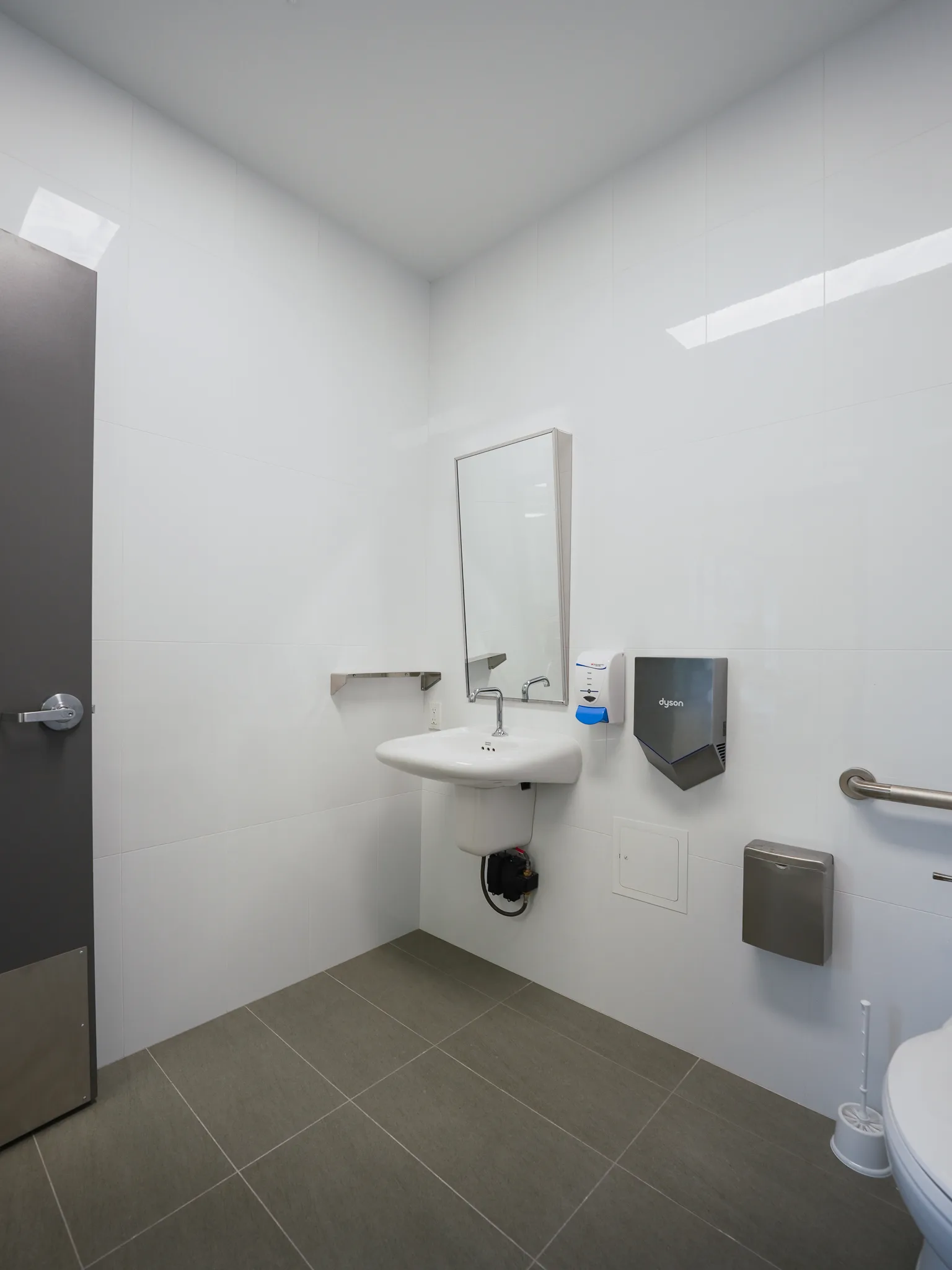
Inside the building, summer is when schools get the upgrades that change how a space works: new accessible washrooms, kitchenettes and sinks in classrooms, flooring, paint, millwork and lighting. These projects run on a tight finishing sequence, so painters, flooring installers and millwork crews follow each other room by room.
The last step is the one that matters most to staff: a full clean and a room that is ready to use. Teachers should be able to walk in and start setting up, not wait for the contractor to leave.
Working on a campus that is never truly empty
Schools are rarely vacant in summer. Administrative staff, custodians, summer programs and child care may all share the site with construction. That means clear hoarding and signage, separate access routes for crews and deliveries, daily cleanup and the screening requirements school boards set for anyone working on their property.
What makes it work
- Order early. Long-lead equipment and materials are ordered as soon as approvals allow, not when the site opens.
- Schedule back to back, with room for inspections. Trades follow each other closely, with time built in for inspections and approvals.
- Plan the closeout first. Deficiency walks, commissioning and handover documents are mapped before the first shovel goes in.
- Keep the school informed. Regular updates to the principal and facilities team mean no surprises in late August.
Schools run on fixed dates. Summer projects succeed when the planning starts early, the sequence is tight and the closeout is treated as part of the build, not an afterthought. That is how schools open on time.